
Advanced treatment
Passive polishing that improves treated water quality and appearance
Nature-based solutions that complement a wastewater treatment plant to meet even more demanding standards
Request your quote today!Tertiary constructed wetlands are facilities designed to provide advanced water treatment.
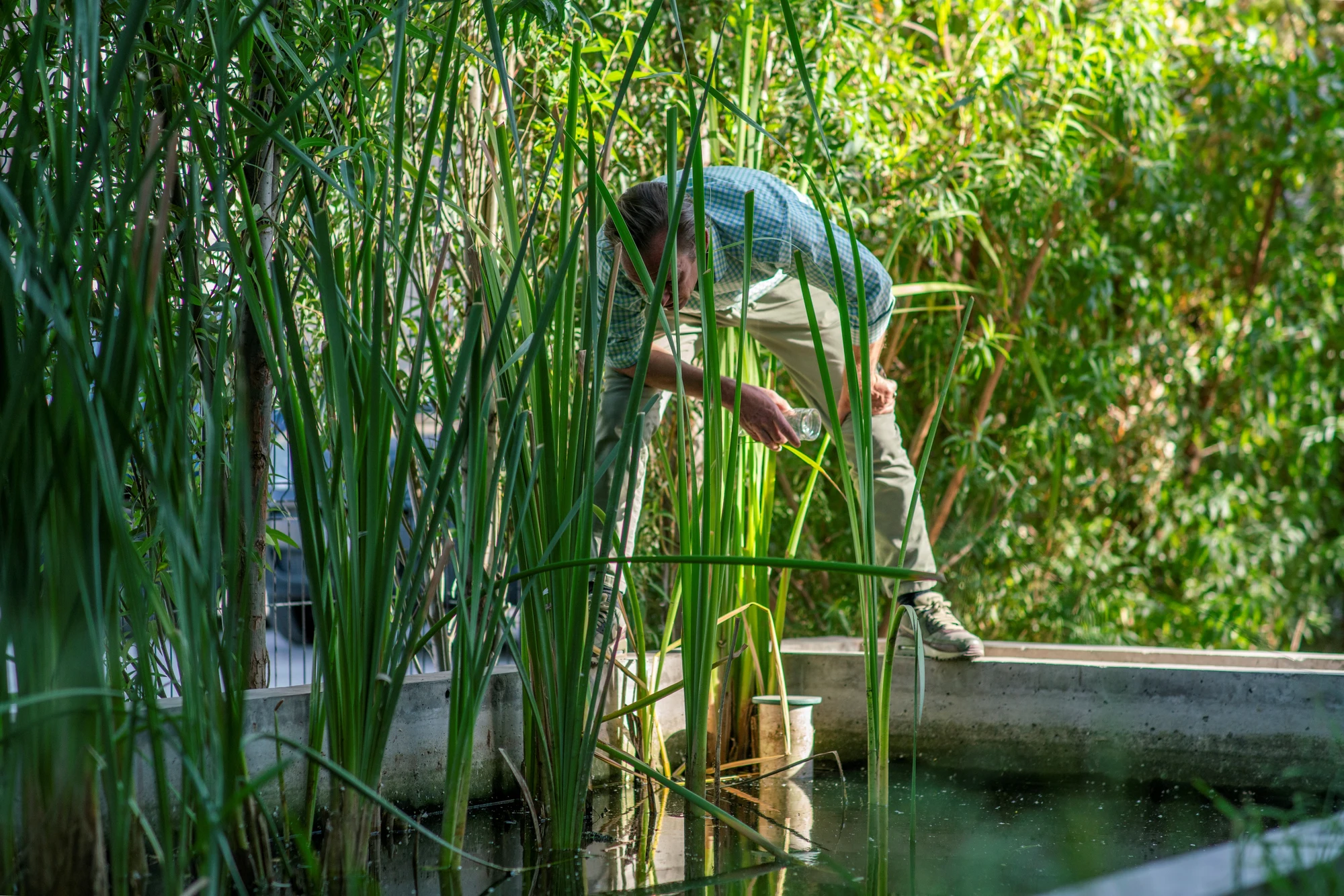
They replicate natural decomposition processes to remove residual organic and emerging contaminants and pathogens that remain in wastewater. Aquatic plants, macroorganisms and microorganisms thrive in this constructed ecosystem, improving treated water quality.
Wetlands are landscape features that support biodiversity while requiring virtually no supplies or energy.
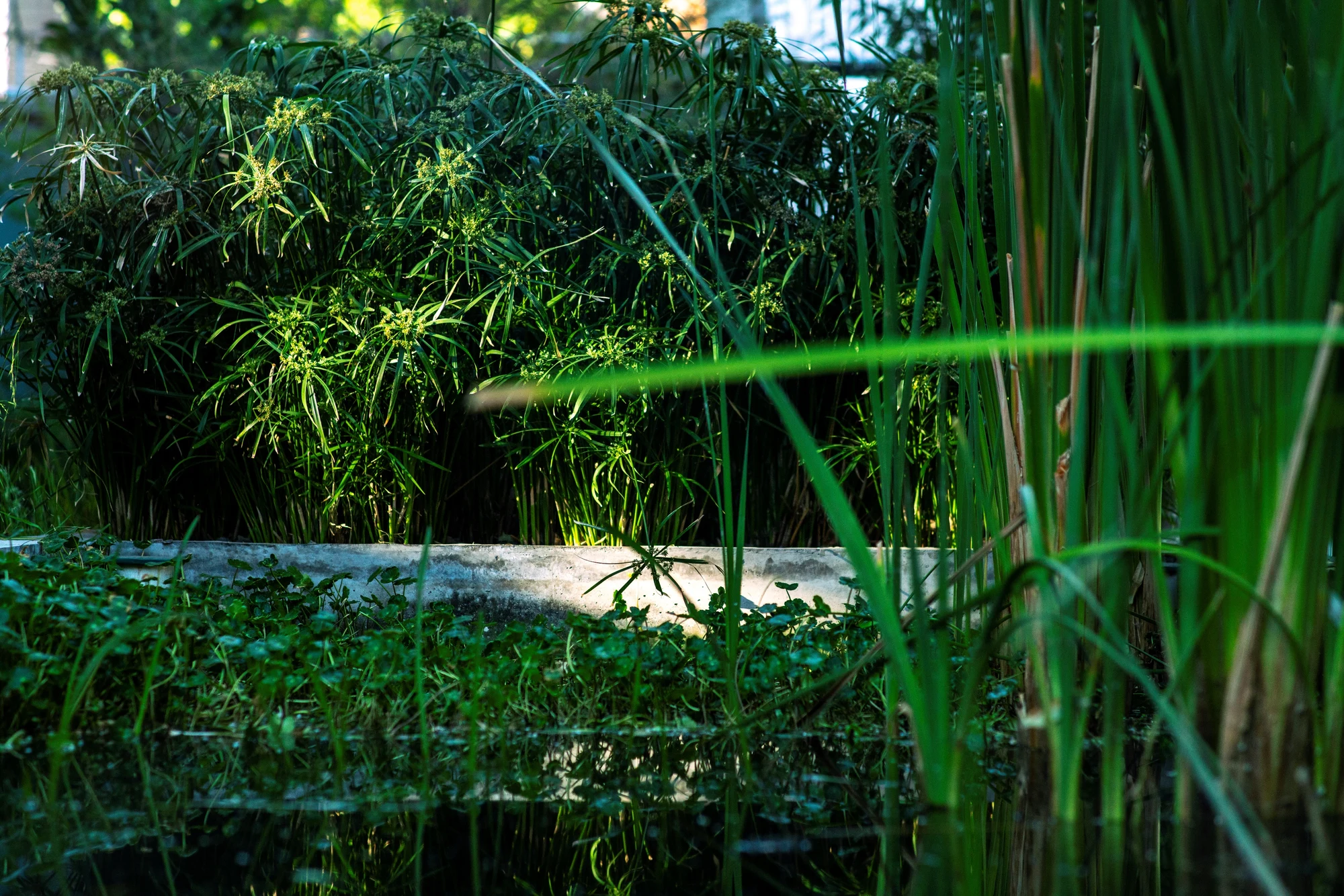
At first glance, they look like ornamental gardens, but they are much more: beauty and functionality in one system. These natural spaces enhance their surroundings while playing an essential role in safe, sustainable water reuse. They are ideal for projects seeking higher water-quality standards, landscaping, reuse for ornamental and productive irrigation, aquifer recharge or discharge into sensitive bodies of water.
Read this study on tertiary wetland technology for wastewater treatment.
Passive polishing that improves treated water quality and appearance
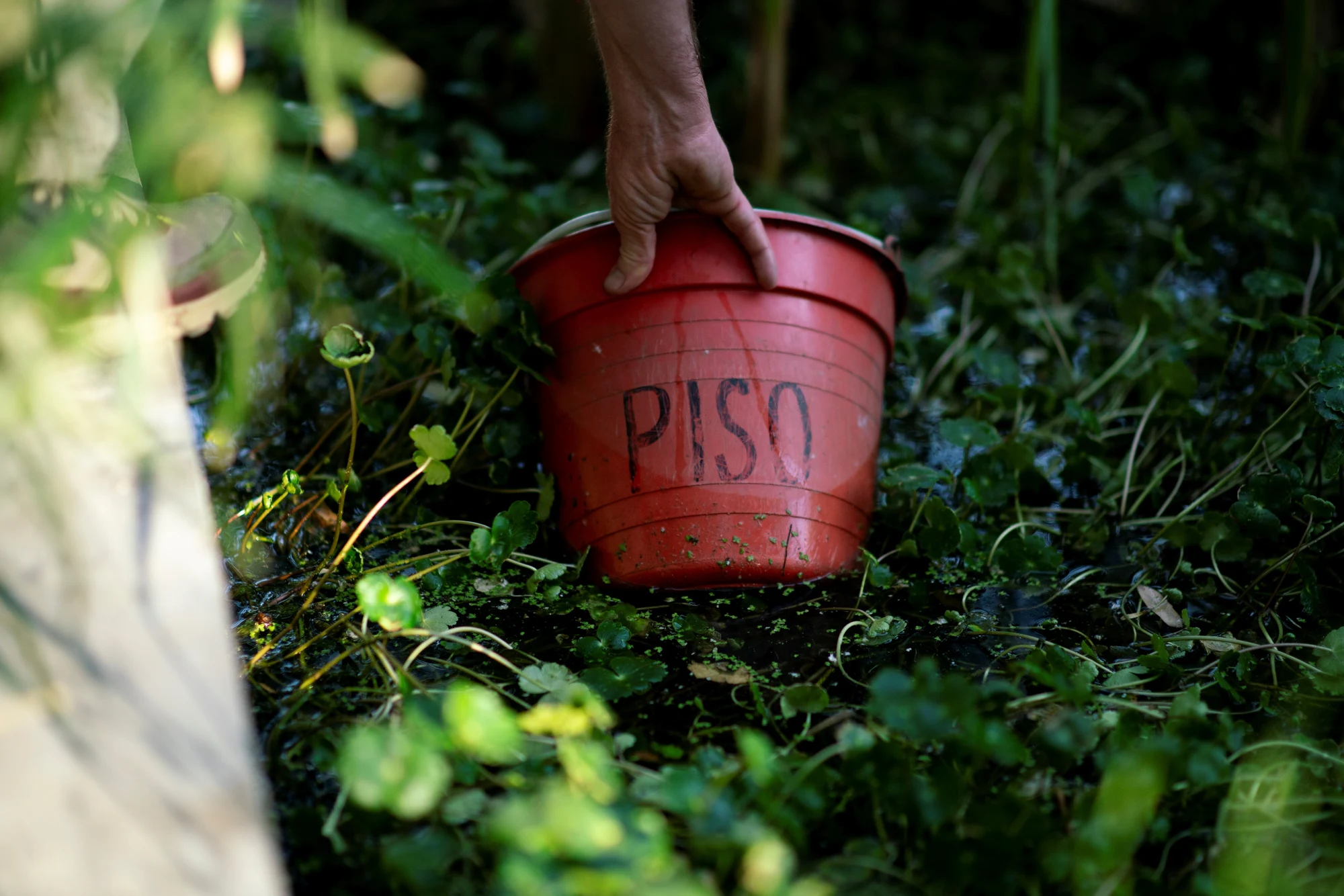
Based on biological processes and a planting palette of aquatic species
A planting palette of native species; we avoid invasive and exotic plants
A functional feature integrated into green spaces and the landscape
By supporting wildlife and plants, we contribute to more resilient biodiversity
Simple operation with minimal intervention
Integrate it into your project to reach higher sustainability standards
Low-investment storage of treated water and rainwater with a low ecological impact
With water shortages and stricter regulations, tertiary constructed wetlands are a natural solution to:
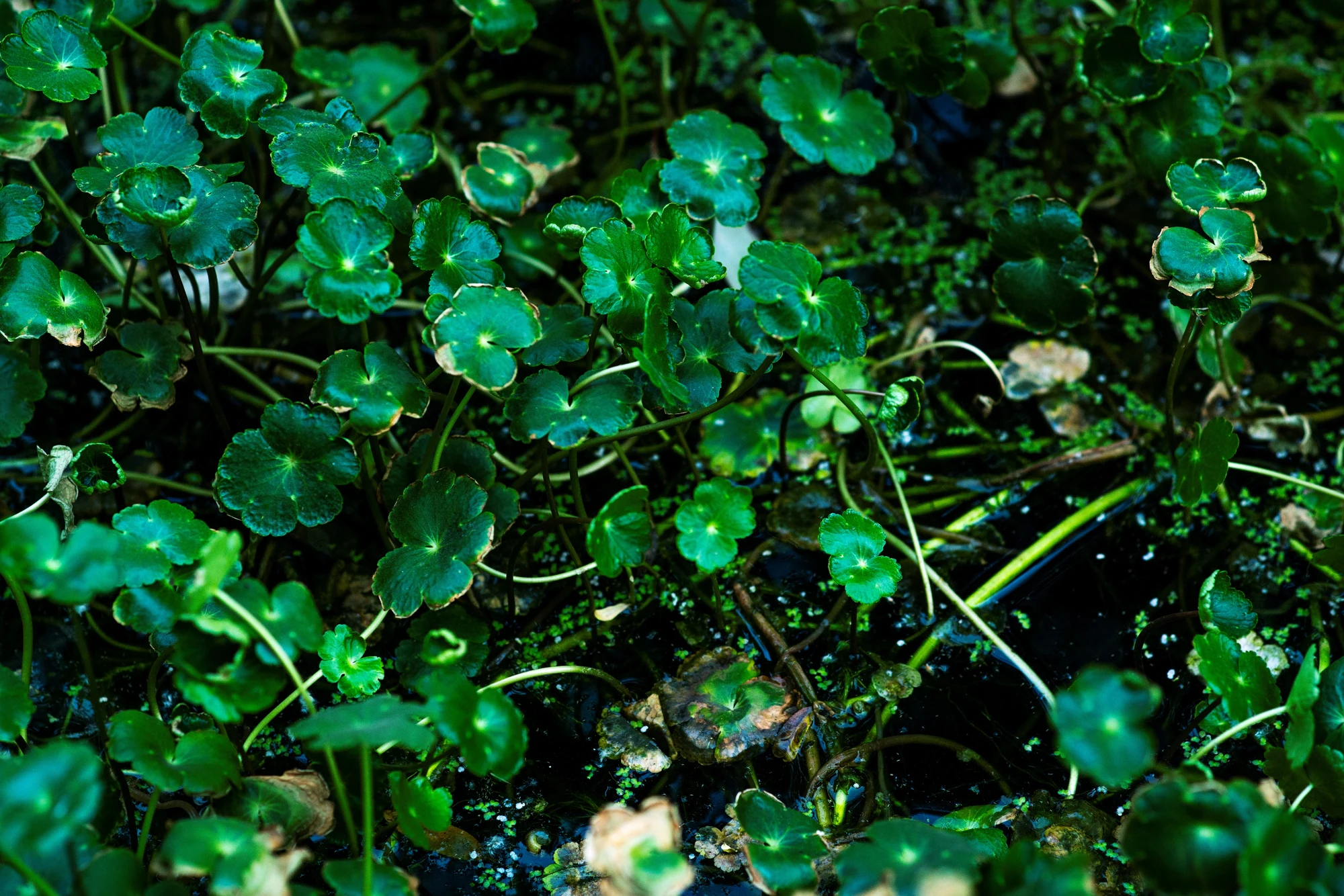
We specialize in two types of tertiary constructed wetlands that complement our treatment plants. Both use the same principles: aquatic plants, macroorganisms and microorganisms clean the water. They differ only in the experience they create and their size:
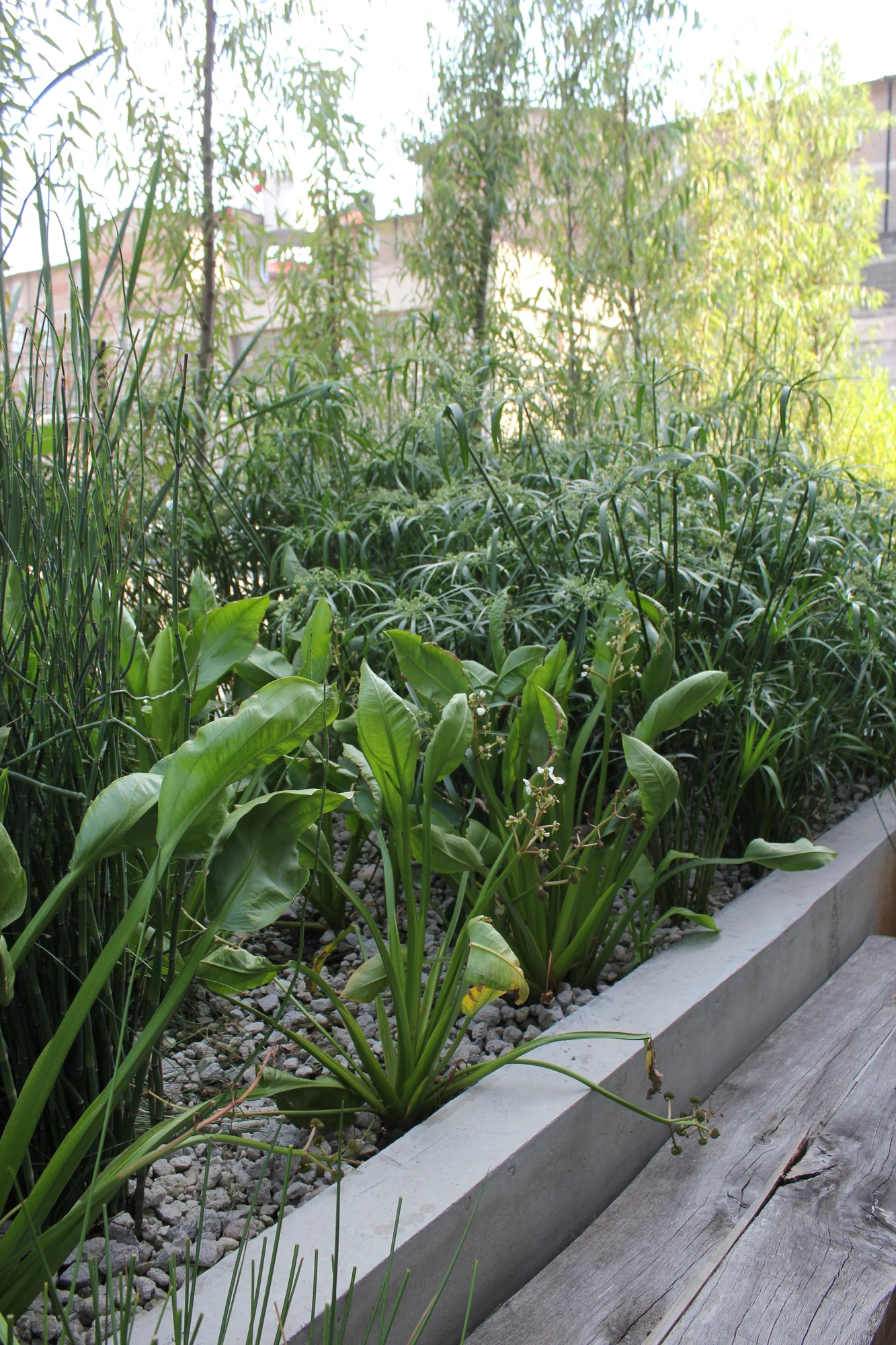
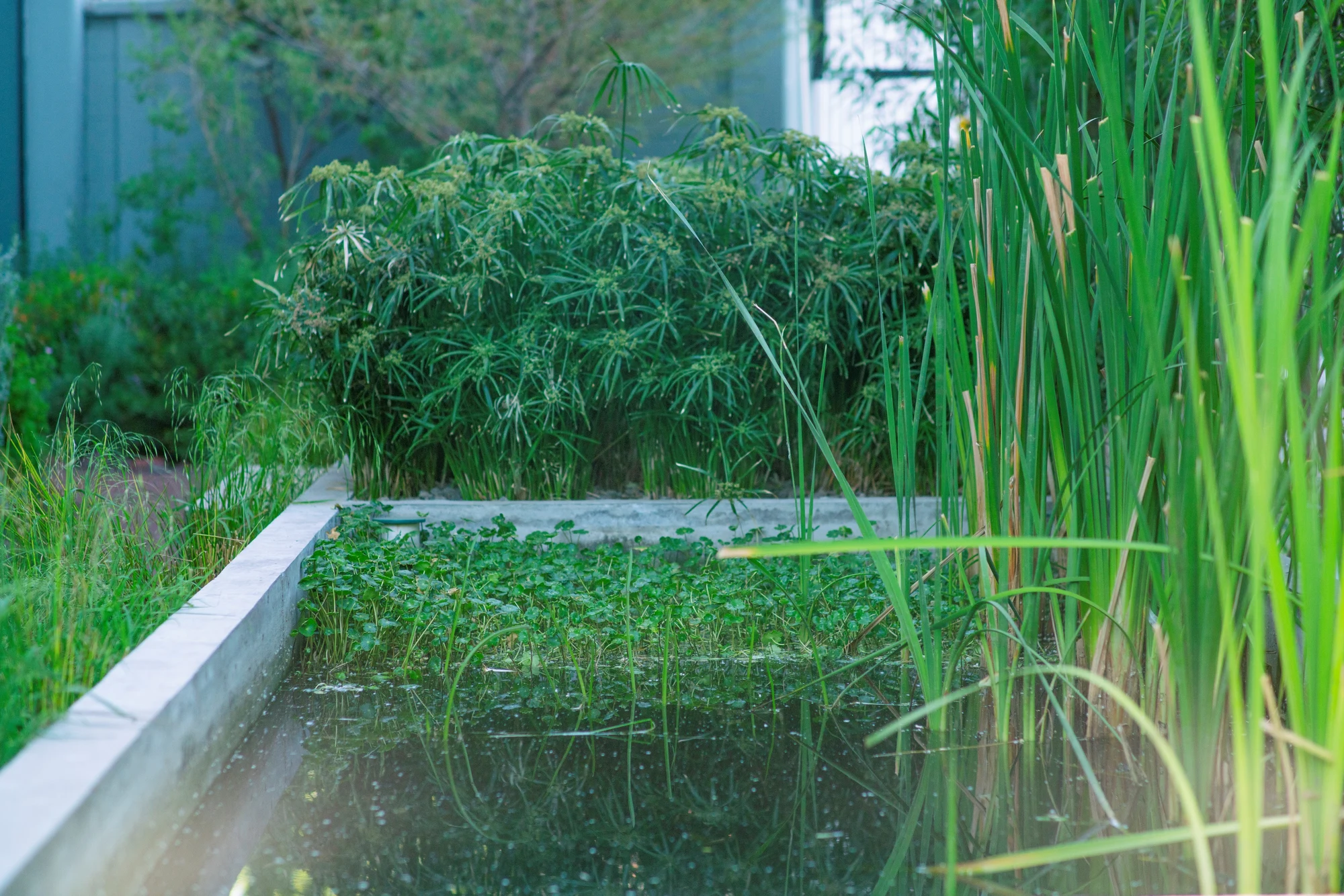
Natural efficiency with quick, optimized installation
At TIM, we also design prefabricated tertiary wetlands. These compact, efficient solutions suit projects requiring quick implementation and, in many cases, lower costs.
These solutions can be designed for either subsurface or free-water-surface flow, preserving the same natural treatment principles in an optimized, modular format.
Made with the same high-quality materials as our treatment plants, these systems ensure durability, reliability and lasting performance.
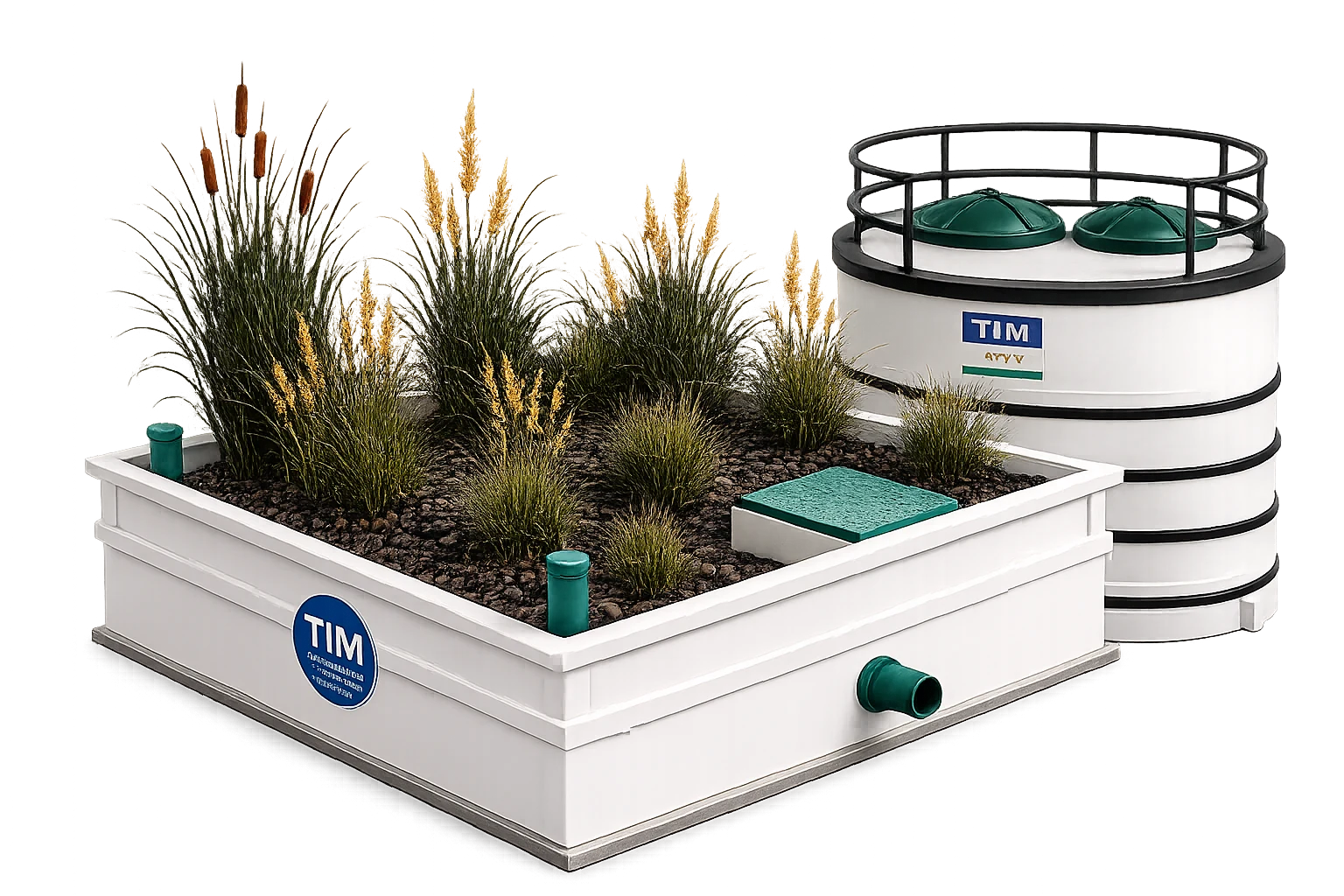
Minimal civil works that are easy to carry out
The compact design allows the tertiary stage to fit into smaller spaces, unlike conventional tertiary systems, which usually require a mechanical room
Prefabrication significantly reduces implementation time
Manufacturing under controlled conditions improves standardization and efficiency and ensures the final product's quality
Because the wetland partially replaces a conventional tertiary system, no equipment enclosure or mechanical room is needed. The prefabricated system is also more economical than an on-site installation with a geomembrane